
Science and Technology
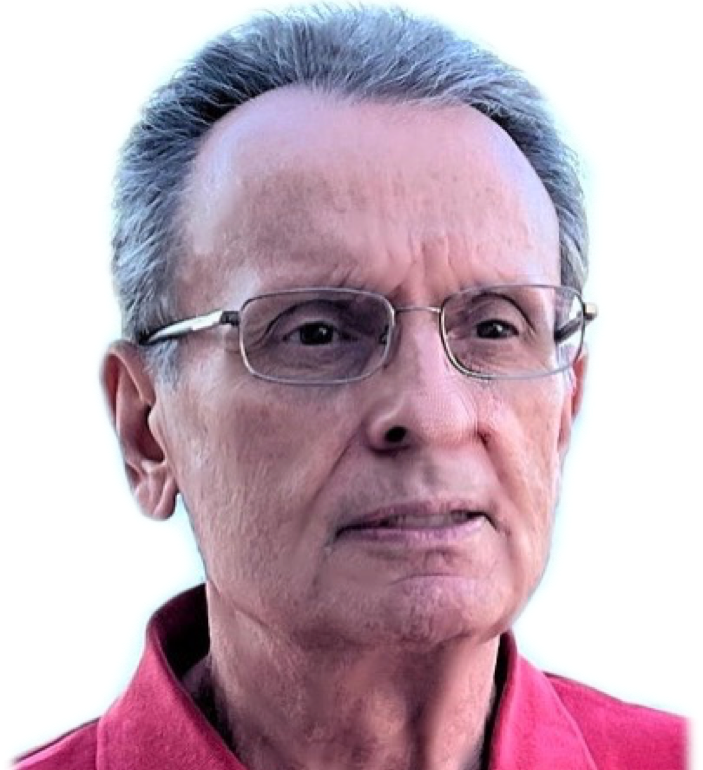
GEORGIOU D. Christos
Co-Chief of Science and Technology Innovations and Operations
Scientist of Space/Earth Medical/Clinical Biochemistry and Astrobiology/Astrochemistry. My role is to develop the chemical/biochemical operating principles and design of various types of sensors for the space oxidants Reactive Oxygen Species (ROS) and Reactive Chlorine Species (RCS), as well as protocols for mitigating their impact on space missions to the Moon, Mars, Titan, Europa, and Enceladus, and monitoring them in the Earth’s atmosphere:
I. Sensors for the discovery/identification of space, as well as developing corresponding antioxidant protocols to cancel ROS and RCS-explosive negative impacts on space ships, stations, equipment, astronaut suits, air filtering systems etc. ROS/RCS sensors’ chemical operation principles are extended for the (i) certification of the ROS/RCS-activation of the ultra-high fidelity reactive space simulants produced by Stelar Discoveries, (ii) oxygen production for astronauts by Lunar/Martian dusts/regolith through conversion to “Oxygen Farming” technology, and for Helium-3 “harvest” from lunar dust, (iii) ROS/RCS preservation in return soil handling missions, (iv) earth quake monitoring.
II. Sensors for the discovery of extraterrestrial life on Mars, Europa, and Enceladus, whose biosignatures are protected from ROS/RCS by designing ROS/RCS-corresponding antioxidant protocols.
III. Clinical/medical sensors for non-invasive monitoring of astronauts’ health to lengthen their time in space missions, by (i) avoiding their exposure to ROS/RCS biotoxic effects, (ii) canceling their exposure by developing ROS/RCS-corresponding antioxidant diet supplements, (iii) carrying out astronaut biotoxicity studies.
IV. Sensors for monitoring the Earth’s atmospheric ROS/RCS-inducing biotoxic dust pollution from space debris (also ozone depleting), desert dusts, wildfires, mining, industry, and other ROS-inducing types of institutional, medical radiation, etc.
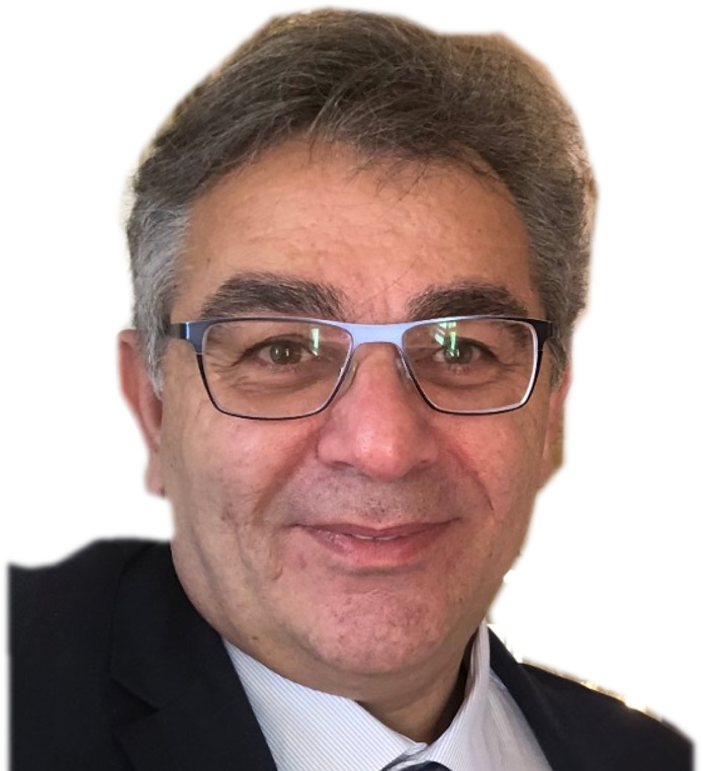
CHATZITHEODORIDIS Elias
Co-Chief of Science and Technology Innovations and Operations
I am an Earth and Planetary Scientist with a strong technological and industrial background. My scientific expertise spans Cosmochemistry and Astrochemistry, Mineralogy and Petrology, the study of Martian Meteorites and other extraterrestrial materials, as well as the advanced analytical instrumentation—including SIMS/TOF-SIMS, electron microscopy and microanalysis, LIBS, Raman spectroscopy, and structural characterisation. I also work extensively on the development of analytical methods and instruments.
In parallel, I bring hands-on technological experience in micro- and nano-fabrication, lithography, micro-assembly, photonics (i.e., photonic crystals), micro-fluidics, 3D laser inscription and multiphoton lithography, and the integration of photonics and electronics, supported by industrial R&D experience. My background also includes scientific computing and automation of laboratory and field instruments for terrestrial and space applications.
A central focus of my role is the development of simulated planetary and space environments—mainly of the Lunar and Martian surface analogues—and the design and characterisation of Activated Dust and Regolith high-fidelity Simulants. These simulants support both scientific experimentation and engineering testing of materials, instruments, and payload technologies for planetary and space missions.
I also develop and test sensors and micro-instruments for monitoring planetary environments, spacecraft systems, and crewed habitats, with a particular emphasis on quantitative detection of Reactive Oxygen Species (ROS) and Perclorates.
Collectively, my work supports ISRU initiatives, Astrobiology, Origins-of-Life research, and Astronaut health monitoring. My ISRU efforts focus on oxygen extraction from Lunar dusts and regolith (“oxygen farming”), while in astrobiology I concentrate on identifying potential biosignatures in Martian and other meteorites and detecting extraterrestrial organics using state-of-the-art mass spectrometry. In the domain of astronaut health, I develop instrumentation and methodologies to strengthen life support systems.
My overarching goal is to enable and extend the duration of crewed missions, reduce mission costs, and advance sustainable human habitation in space and planetary environments.
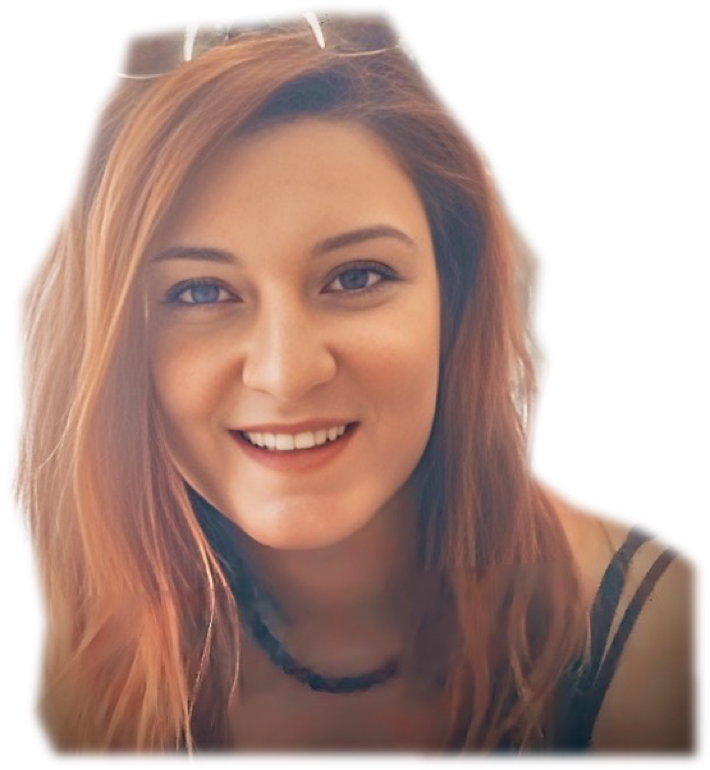
KALAITZOPOULOU Electra
Director of Scientific Applications
Scientist and researcher at the University of Patras, who specialises in the development and application of advanced methodologies for measuring oxidative stress by precisely detecting and measuring its inducers, oxygen free radicals and other reactive oxygen species.
Her work focuses on translating cutting-edge biochemical research into practical technologies such as next-generation sensors for astrobiological exploration, astronaut protection against cosmic radiation, and the assessment of lunar dust toxicity.
Her fundamental scientific expertise as Director of Scientific Applications ensures that each application is based on sound scientific methodologies and state-of-the-art biochemical research.
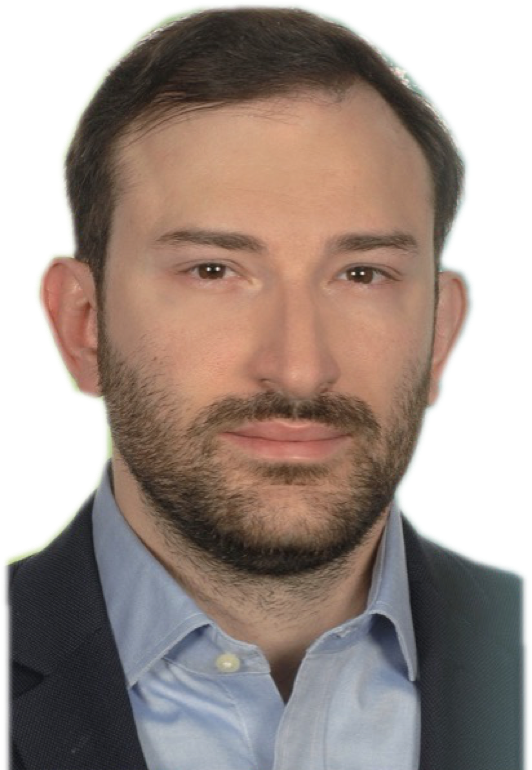
STAVRAKAKIS Hector-Andreas
Director of Engineering Applications
Stavrakakis Hector-Andreas is a researcher working at the intersection of Metallurgy and Mining Engineering, Earth sciences, and planetary exploration. His interests include the study of geological materials, the production of high precision simulated planetary dusts and regolith , and the development of experimental and computational methods to support geoscience and space-science research. His work contributes to advancing resource identification, environmental monitoring, and scientific instrumentation for terrestrial and extraterrestrial applications.
Management
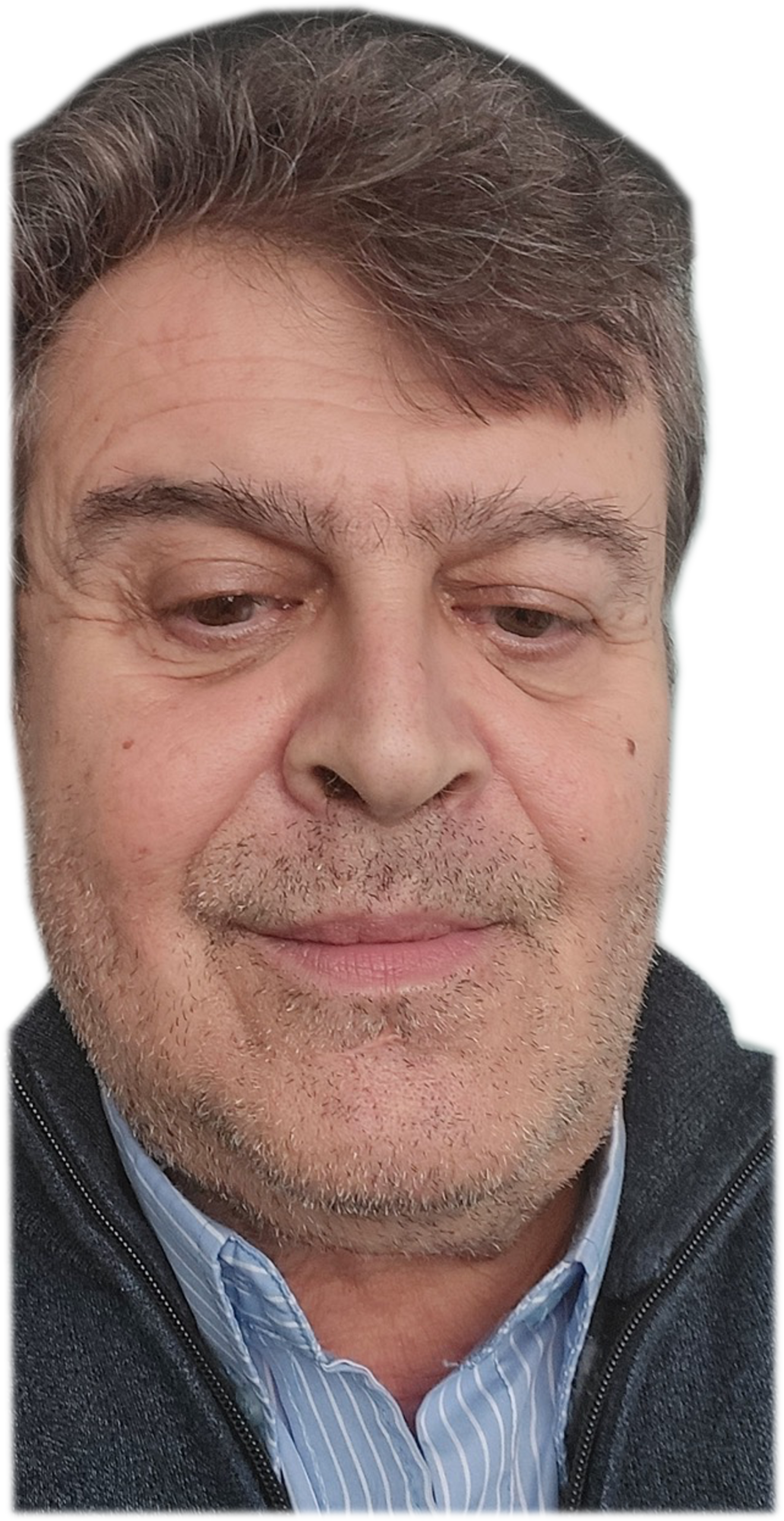
CHALKIAS Konstantinos
Company Manager
Company management, Finances, Taxation.
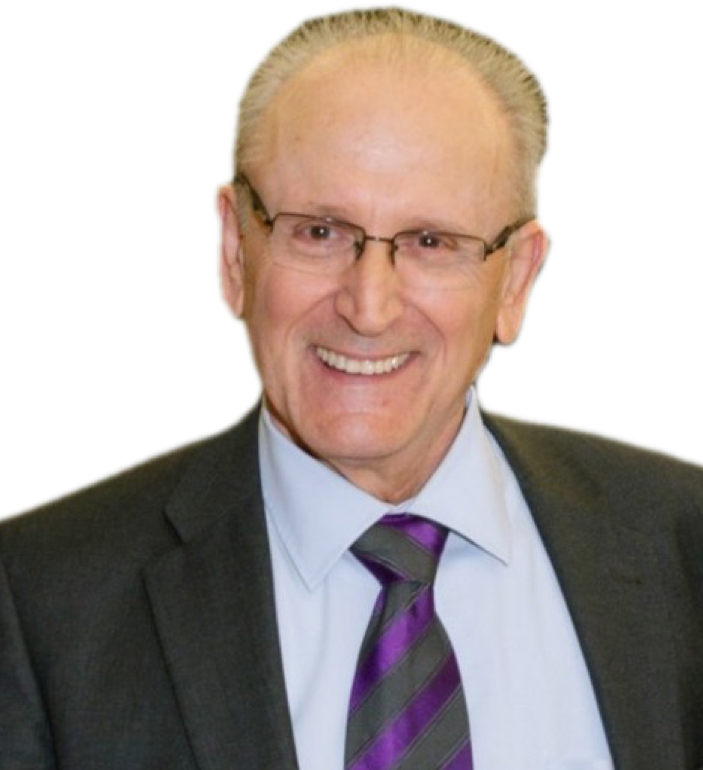
STAVRAKAKIS Nikolaos
Communications Expert
Communications Expert
Scientific and Technological Advisory Board
CAMBOURAKIS Georgios
Technology Advisor
Electrical Engineer